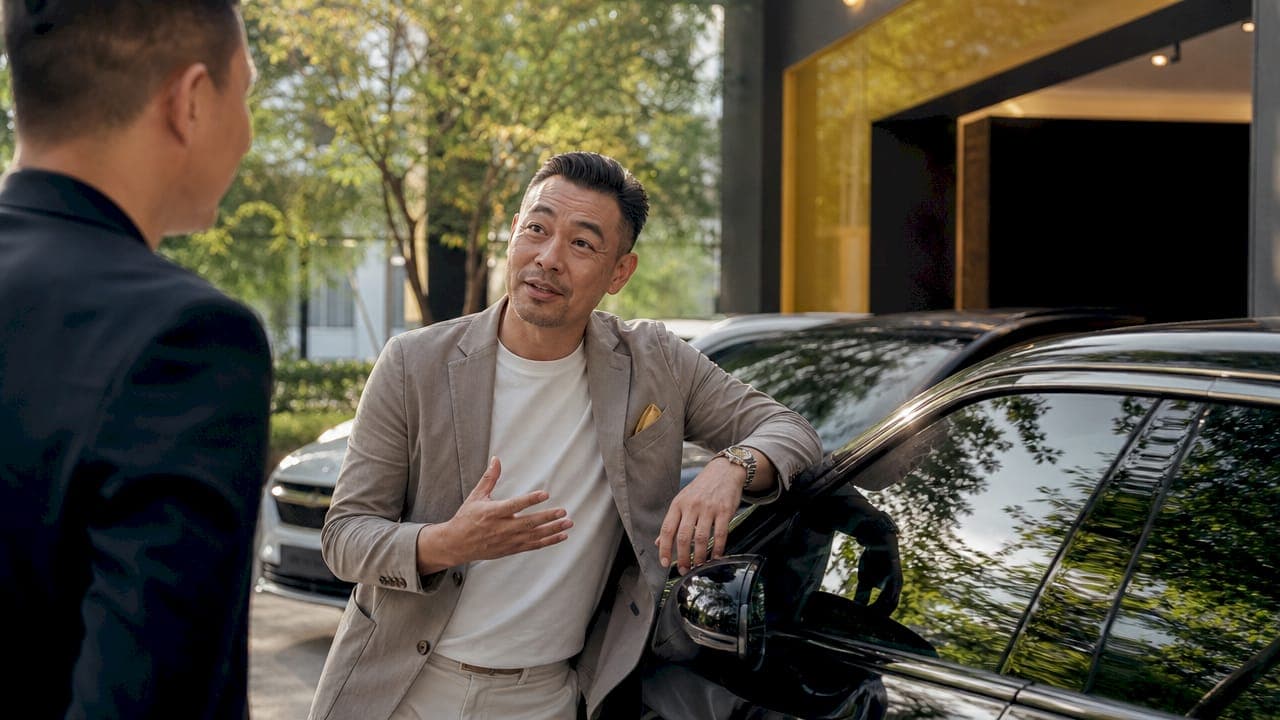
Electric vehicle resale in Singapore is defined by steeper depreciation, longer selling cycles, and policy shifts that petrol car owners rarely face. EVs depreciate 40–45% in the first three years, compared to 35–40% for petrol cars. Used EVs can sit on the market for up to six months, while a petrol car typically sells in three weeks. If you own an EV and plan to sell, understanding these dynamics is not optional. It is the difference between a good deal and a costly mistake.
1. What drives EV resale depreciation in Singapore?
EV depreciation in Singapore runs steeper than petrol car depreciation for one core reason: technology moves faster than the market can absorb. A three-year-old EV can feel outdated the moment a new model launches with better range, faster charging, or updated software. Buyers notice, and they price accordingly.
The numbers confirm this. EVs lose 40–45% of their value in the first three years, while petrol cars lose 35–40% over the same period. That 5–10 percentage point gap represents real money on a vehicle that cost S$150,000 or more at purchase.

| Vehicle Type | 3-Year Depreciation | Primary Driver |
|---|---|---|
| Electric vehicle | 40–45% | Tech turnover, battery aging |
| Petrol car | 35–40% | PARF rebate erosion, mileage |
Battery aging adds another layer of complexity. As a battery approaches end-of-life, disposal costs of S$2,000–S$3,000 become a real factor in how buyers price their offers. Sellers who ignore this reality tend to overprice and wait.
Pro Tip: Get a battery health report from an authorized service center before listing your EV. A documented state-of-health reading above 80% gives buyers confidence and justifies a stronger asking price.
2. Why used EVs take longer to sell in Singapore
The used EV market in Singapore is illiquid by current standards. Used EVs can take up to 6 months to find a buyer, compared to three weeks to three months for petrol vehicles. That gap is not random. It reflects specific buyer hesitations that sellers can address directly.
The three biggest concerns buyers raise are battery lifespan, charging access, and maintenance costs. About 57% of car-owning households in Singapore live in HDB flats, where overnight home charging is unreliable or unavailable. A buyer who cannot charge conveniently at home will not commit to an EV purchase, regardless of price.
Sellers who shorten the cycle do three things well:
- Price the car at or slightly below market rate from day one, rather than testing a high price and dropping it later
- Provide full battery warranty documentation and any remaining manufacturer coverage
- List on high-traffic platforms where EV buyers actively search, and include detailed range and charging data in the listing
Pro Tip: If your EV still carries an active battery warranty, make that the headline of your listing. Remaining warranty coverage is one of the top factors that converts a hesitant buyer into a committed one.
3. Which EVs hold their value best in Singapore?
Not all EVs depreciate at the same rate. Brand reputation, battery warranty length, and charging compatibility are the three features that most influence resale value in the local market. Buyers in Singapore are cautious, and they gravitate toward models with proven track records and strong after-sales support networks.
Premium models from established manufacturers tend to hold value better than entry-level or early-generation EVs. The reasoning is straightforward: buyers trust brands with local service centers, accessible spare parts, and software update support. An EV from a brand with no local service presence is a harder sell, regardless of its original price.
Features that buyers in Singapore prioritize when evaluating a used EV:
- Real-world range above 300 km per charge
- Compatibility with Singapore's public charging network, including ChargePoint and SP Group stations
- Remaining battery warranty of at least two years
- Over-the-air software update capability
- Low mileage relative to age, ideally under 20,000 km per year
Early-generation models and low-volume imports depreciate fastest. If you own one of these, price it aggressively from the start rather than anchoring to what you paid.
4. How government policies shape electric vehicle resale value
Singapore's regulatory environment directly affects what a used EV is worth. Budget 2026 introduced a 45-point cut to the PARF rebate for petrol cars. This PARF rebate cut reduces the scrap value of petrol vehicles, which in theory makes EVs comparatively more attractive. The practical effect on EV resale is more nuanced.
EVs in Singapore rely on upfront green rebates rather than PARF rebates at deregistration. This means EV owners do not face the same financial penalty when scrapping or renewing COE. However, road tax surcharges for EVs can reach 50% beyond year 10, making long-term ownership more expensive than buyers initially expect. That cost projection suppresses demand for older EVs in the used market.
Key policy factors every EV seller should understand:
- The PARF rebate cut makes petrol cars cheaper to run on paper at end-of-life, but EVs retain their upfront incentive structure
- COE renewal at year 10 does not carry the same financial penalty for EVs as for petrol cars, which is a genuine selling point for buyers planning long ownership
- Road tax surcharges above 50% after year 10 are a real cost that informed buyers will factor into their offer
- Singapore's target to phase out petrol cars by 2030 will gradually shift demand toward EVs, improving the used EV market over time
Charging infrastructure is the other policy variable. Government investment in public charging, particularly at HDB estates, directly affects how many buyers can realistically consider a used EV. More chargers mean more buyers, which means faster sales and stronger prices.
5. Practical tips to sell your EV faster and for more money
35% of EV owners in Singapore feel uncertain about their vehicle's resale value and depreciation rates. That uncertainty often leads to poor timing and underpricing. Sellers who approach the process with a clear plan consistently achieve better outcomes.
Timing matters more than most sellers realize. Listing your EV before the battery warranty expires removes one of the biggest buyer objections. Listing during a COE price spike, when petrol car ownership costs surge, also increases EV buyer interest. Watch the COE bidding cycles and plan your listing window accordingly.
- Gather all service records, battery health reports, and charging history before listing
- Have the car professionally cleaned and photographed. Poor photos are the single fastest way to lose a serious buyer
- Be honest about any known issues. Buyers who discover problems during inspection walk away, and word travels fast in Singapore's car community
- Research current asking prices on SgCarMart and price your car within 5% of comparable listings
- Consider a professional consignment service if you want to avoid handling inquiries, viewings, and negotiations yourself
Pro Tip: List your EV in the weeks following a COE price spike. Buyers priced out of new petrol cars actively enter the used EV market during these windows, and competition among buyers drives prices up.
Despite steeper depreciation, EVs do offer a long-term cost offset. EV owners can save S$3,000–S$20,000 on total running costs over 10 years compared to petrol cars. Framing this saving in your listing helps buyers see the full picture, not just the sticker price.
Key Takeaways
Maximizing EV resale value in Singapore requires understanding depreciation drivers, timing your sale correctly, and presenting your vehicle with full documentation to reduce buyer hesitation.
| Point | Details |
|---|---|
| EV depreciation runs steeper | EVs lose 40–45% in three years versus 35–40% for petrol cars, driven by tech turnover. |
| Sales cycles are longer | Used EVs take up to 6 months to sell; address battery and charging concerns upfront to speed this up. |
| Battery documentation wins deals | A battery health report and remaining warranty coverage are the most persuasive tools a seller has. |
| Policy shifts favor EVs long-term | The 2026 PARF rebate cut and the 2030 petrol phase-out will gradually improve EV resale demand. |
| Timing your listing matters | List before warranty expiry and during COE price spikes to attract the most motivated buyers. |
The EV resale market is harder than it looks, but not hopeless
I have watched Singapore's used EV market closely over the past few years, and the honest truth is this: most sellers lose money not because EVs are bad assets, but because they go in unprepared.
The volatility people complain about is real, but it is driven by rapid new model turnover, not structural value collapse. That is an important distinction. A three-year-old EV is not a broken car. It is a car that looks dated next to a newer model with better software and longer range. Buyers know this, and they negotiate accordingly.
What I find encouraging is the direction of travel. Rising fuel costs and government incentives are shifting buyer preferences toward EVs, and that shift will eventually tighten the secondary market. The sellers who position themselves well now, with clean documentation, honest pricing, and professional presentation, will be the ones who benefit most when that happens.
The charging infrastructure gap at HDB estates is the one factor I watch most carefully. Until overnight home charging becomes genuinely accessible for the majority of Singapore households, used EV demand will remain constrained. Government investment here is the single biggest lever for improving resale conditions across the board.
My advice to any EV owner thinking about selling: do not wait for the market to come to you. Prepare your car, price it honestly, and use every tool available to reach the right buyer quickly.
— Shawn
How Bavarian can help you sell your EV at the right price
Selling a used EV in Singapore takes more than a listing on SgCarMart. It takes market knowledge, professional presentation, and the ability to reach buyers who are already looking.

Bavarian is a premium automotive consignment service based at Gillman Barracks in Singapore. The team handles everything from market pricing analysis and professional photography to buyer inquiries, LTA documentation, and ownership transfer. For EV owners who want to sell without the stress of managing viewings and negotiations, Bavarian offers a tailored consignment model built around getting the best possible price. If you are ready to sell your EV and want a team that knows the local market, reach out to Bavarian for a consultation.
FAQ
How much does an EV depreciate in Singapore?
EVs in Singapore depreciate 40–45% in the first three years, compared to 35–40% for petrol cars. The faster rate is driven by rapid technology turnover and battery aging.
How long does it take to sell a used EV in Singapore?
Used EVs typically take up to 6 months to sell in Singapore, significantly longer than petrol cars, which sell in three weeks to three months. Addressing buyer concerns about battery health and charging access upfront shortens the cycle.
Does the 2026 PARF rebate cut affect EV resale value?
The Budget 2026 PARF rebate cut primarily affects petrol cars. EVs rely on upfront green rebates rather than PARF at deregistration, so the direct impact on EV resale value is limited, though the policy shift may increase buyer interest in EVs over time.
What features make a used EV easier to sell in Singapore?
Brand reputation, a remaining battery warranty, and compatibility with Singapore's public charging network are the top factors that improve used EV resale speed and price. Models with over-the-air software updates and local service center support also attract more buyers.
Should I use a consignment service to sell my EV?
A consignment service is worth considering if you want professional presentation, wider buyer reach, and someone to handle negotiations and paperwork. Services like Bavarian specialize in maximizing resale value for premium and electric vehicles in the Singapore market.