
Singapore's Lemon Law generally does not cover consignment car purchases where the seller is a private individual. Part III of the Consumer Protection (Fair Trading) Act (CPFTA) protects consumers only when they buy from a supplier, meaning a person or entity acting in the course of business. A private owner selling through a consignment arrangement is not a supplier under that definition, so the six-month presumption of non-conformity and the statutory remedies (repair, replacement, refund) simply do not apply.
The critical caveat: if the dealer running the consignment is effectively the seller, controlling pricing, holding the car in a showroom, and pocketing a commission, a court may treat the transaction as a business-to-consumer (B2C) sale after all. That is the line buyers need to understand before signing anything.
Key facts to hold onto:
- Lemon Law coverage requires a supplier. Under the CPFTA, a supplier is someone who supplies goods in the course of business. Private sellers are excluded.
- The six-month presumption means defects discovered within six months of delivery are presumed to have existed at the time of handover, shifting the burden of proof to the seller.
- CASE (Consumers Association of Singapore) offers mediation for disputes and publishes the SAFE checklist to help buyers document a vehicle's condition before purchase.
- The seller's legal status is the deciding factor. Even in a consignment sale, if the dealer controls the transaction, you may have Lemon Law protection.
Table of Contents
- What does the Lemon Law (Part III of the CPFTA) actually cover?
- Does a consignment sale fall outside the Lemon Law?
- How to check whether the seller is a business or a private consignor
- If Lemon Law doesn't apply: practical options and next steps
- If the sale is covered by Lemon Law: how to make a claim
- How car consignment works and why buyers should be cautious
- What should you check before buying a consignment or used car?
- Key Takeaways
- The part most buyers get wrong about consignment
- Authoritative sources and where to read more
- Bavarian handles the paperwork so you don't have to
What does the Lemon Law (Part III of the CPFTA) actually cover?
Part III of the CPFTA is Singapore's statutory Lemon Law. It applies when a consumer buys goods from a supplier, and the goods do not conform to contract at the time of delivery.
Who counts as a supplier? The Act defines a supplier as any person who in the course of business supplies goods to a consumer. A private individual selling their own car is not a supplier. A used-car dealer, whether selling stock outright or managing a consignment, almost certainly is.
The six-month presumption is the law's most practical tool. Under Sections 12A and 12B of the CPFTA, any defect that surfaces within six months of delivery is presumed to have been present at delivery. The seller must rebut that presumption with objective evidence, such as proof that the defect arose from misuse after handover or that the goods conformed to contract at delivery. A High Court judgment in Speedo Motoring Pte Ltd v Ong Gek Sing confirmed that "time of delivery" is the legal reference point for non-conformity, and that the presumption places a real evidential burden on the seller.
Available remedies under Sections 13–18 follow a hierarchy:
| Remedy | When it applies |
|---|---|
| Repair | First option; seller must repair within a reasonable time |
| Replacement | If repair is impossible or disproportionately costly |
| Price reduction | If repair/replacement is not available or has failed |
| Rescission (refund) | Last resort; full or partial refund of purchase price |
Repair comes first. You cannot jump straight to demanding a refund unless repair has failed or is not feasible.
"Satisfactory quality" for a used car is not the same standard as for a new one. The Ministry of Trade and Industry's advisory on CPFTA amendments confirms that for secondhand goods, the standard is judged by the vehicle's age and price at delivery. For secondhand goods, the standard is judged by the vehicle's age and price at delivery. Older cars are not expected to perform like new ones.
When a dispute cannot be resolved directly, CASE offers mediation. If mediation fails, the Small Claims Tribunals are the standard court route for monetary claims within their jurisdictional limits.
Does a consignment sale fall outside the Lemon Law?
The short answer is usually yes, but the legal test is more nuanced than the label "consignment" suggests.
The legal test is about the seller's role, not the contract's name. Under the CPFTA, what matters is whether the person supplying the goods is acting in the course of business. A dealer who takes a car on consignment, displays it in a showroom, sets or negotiates the price, handles inquiries, and collects a commission is almost certainly acting in the course of business, regardless of whether the registered owner is a private individual. The consignment label does not automatically make the transaction a private sale.
Investigative reporting by The Straits Times documented a rise in dealers shifting inventory to consignment stock specifically to sidestep Lemon Law obligations and GST registration thresholds. Some dealers have been found advertising cars as direct-owner listings while actually controlling the sale entirely.
Red flags that suggest a dealer is the real seller:
- The car is displayed at a commercial showroom or dealer lot
- Advertising uses professional photography, dealer branding, or a business phone number
- The dealer negotiates price and handles all paperwork
- GST is charged or the pricing structure is inconsistent with a private sale
- The "owner" is unavailable for direct communication and all contact goes through the dealer
A true private consignment looks different: the owner is reachable, signs the LTA transfer documents personally, and the dealer's role is limited to marketing and introductions. In that scenario, Lemon Law protection is unlikely to apply.
Pro Tip: Before viewing, search the car's plate number on the LTA OneMotoring portal. If the registered owner is a company rather than an individual, the sale is almost certainly a B2C transaction covered by the Lemon Law, regardless of how it is advertised.
How to check whether the seller is a business or a private consignor
Knowing who you are legally buying from is the most important step in any used-car purchase. Here is what to request and verify before committing.
Documents to request:
- LTA ownership records (confirm the registered owner's name and identity type: individual vs. company)
- The dealer's business registration number (ACRA) if a dealer is involved
- A copy of the consignment agreement between the owner and the dealer
- A signed invoice or receipt identifying the legal seller
- Any written disclosures about known defects
Questions to ask at the viewing:
- Who is the registered owner of the vehicle?
- Who will sign the LTA transfer documents at handover?
- If a defect is found after purchase, who is responsible for repair costs?
- Is the dealer acting as agent or as seller?
Red flags at the viewing:
- Refusal to show the consignment agreement
- Dealer insists on signing all documents on the owner's behalf without a power of attorney
- GST-inclusive pricing on what is presented as a private sale
- Professional dealer-style advertising for a car supposedly sold by its owner
A car sale paperwork checklist can help you track which documents you have received and which are still outstanding before you sign.
Pro Tip: Request the CASE SAFE checklist inspection report from the dealer or arrange an independent one. Defects recorded in a SAFE checklist are not later claimable under Lemon Law, so this document works both ways: it protects a transparent seller and alerts a cautious buyer.
If Lemon Law doesn't apply: practical options and next steps
Discovering a serious defect after buying a consignment car from a private seller is frustrating, but you are not entirely without options.
Immediate actions:
- Stop driving the vehicle if there is a safety concern (brake failure, steering issues, structural damage).
- Photograph every defect in detail, including the odometer reading at discovery.
- Retrieve all original handover documents: the signed checklist, invoice, and any written seller representations.
- Get an independent workshop report that describes the defect and, where possible, estimates when it likely developed.
- Preserve all communications with the seller, including WhatsApp messages and emails.
Negotiation first. Raise the issue with the seller in writing. State the defect, reference any pre-sale representations, and request remediation or a partial refund. Keep a record of every response and any offer made. Many disputes settle at this stage, especially when the buyer has solid documentation.
CASE mediation. If direct negotiation fails, file a complaint with CASE. CASE can facilitate mediation between buyer and seller, but it cannot compel a settlement. Mediation is voluntary, and the seller must agree to participate. CASE's process is typically faster and cheaper than going to court, and a mediated settlement is legally binding once signed.
Small Claims Tribunals. If mediation fails or the seller refuses to participate, you can file a claim with the Small Claims Tribunals. The Tribunals handle monetary disputes and can order compensation. Filing fees are modest. Bring your workshop report, photographs, communications log, and the original invoice. Note that the Tribunals have jurisdictional limits on claim amounts, so very high-value disputes may need to go to a higher court.
If the sale is covered by Lemon Law: how to make a claim
When the seller qualifies as a supplier under the CPFTA, the claim process is more structured.
- Notify the supplier in writing. State the defect clearly and reference the date of purchase. Written notice creates a paper trail and starts the clock.
- Allow a reasonable opportunity for repair. The law requires repair as the first remedy. Give the supplier a written deadline (typically 14–21 days is considered reasonable) and document their response.
- Escalate to CASE if repair is refused or inadequate. CASE can mediate and, in some cases, facilitate a resolution without going to court.
- File with the Small Claims Tribunals if mediation fails. Bring your purchase invoice, written repair requests, workshop reports, and any SAFE checklist documentation.
The six-month window matters. Under Sections 12A and 12B of the CPFTA, defects found within six months of delivery are presumed present at handover. After six months, the burden shifts to you to prove the defect existed at delivery, which is significantly harder. Act quickly.
Evidence that strengthens a CPFTA claim:
- Pre-purchase evaluation report (SVTA-style or SAFE checklist)
- Service and maintenance history
- Signed handover checklist
- Written seller disclosures
- Workshop diagnosis report with estimated defect timeline
The Speedo Motoring judgment is worth knowing: the High Court held that the six-month presumption is a genuine burden-shifting rule, not a formality. Sellers who cannot produce objective evidence of conformity at delivery will struggle to rebut it.
Act within six months. Once that window closes, the presumption disappears and the evidentiary challenge becomes substantially harder for the buyer.
How car consignment works and why buyers should be cautious
In a consignment arrangement, the car owner retains legal title until the vehicle is sold. The dealer or agent markets the car, handles inquiries and viewings, negotiates with buyers, and takes a commission on the completed sale. The consignor (owner) typically sets a reserve or minimum price.
Why dealers favor consignment:
- No upfront capital outlay to purchase the car
- Potential to avoid GST obligations that would apply to dealer-owned stock
- Reduced warranty exposure if the sale is structured as a private transaction
- Ability to list premium inventory without carrying the financial risk
This last point is the one buyers need to watch. As The Straits Times reported, the rise in consignment stock among Singapore dealers is partly driven by the desire to sidestep Lemon Law coverage. A dealer who sells a car from their own inventory is clearly a supplier. A dealer who sells the same car "on behalf of" a private owner occupies a grayer legal position, even when the commercial reality is identical.
Practical cautions for buyers:
- Confirm who holds the deposit during the sale process and under what conditions it is refundable
- Ask whether the dealer carries any after-sale liability in writing
- Get any verbal assurances about the car's condition confirmed in the consignment agreement or a separate written disclosure
Pro Tip: Ask to see the consignment agreement between the owner and the dealer. A legitimate consignment contract will name the owner, state the commission structure, and define the dealer's authority. If the dealer refuses to share it or claims it does not exist, treat that as a significant red flag.
For a fuller picture of how consignment works from the seller's side, Bavarian's car consignment guide walks through the mechanics in detail.
What should you check before buying a consignment or used car?
A thorough pre-purchase process is your best protection, regardless of whether Lemon Law applies.
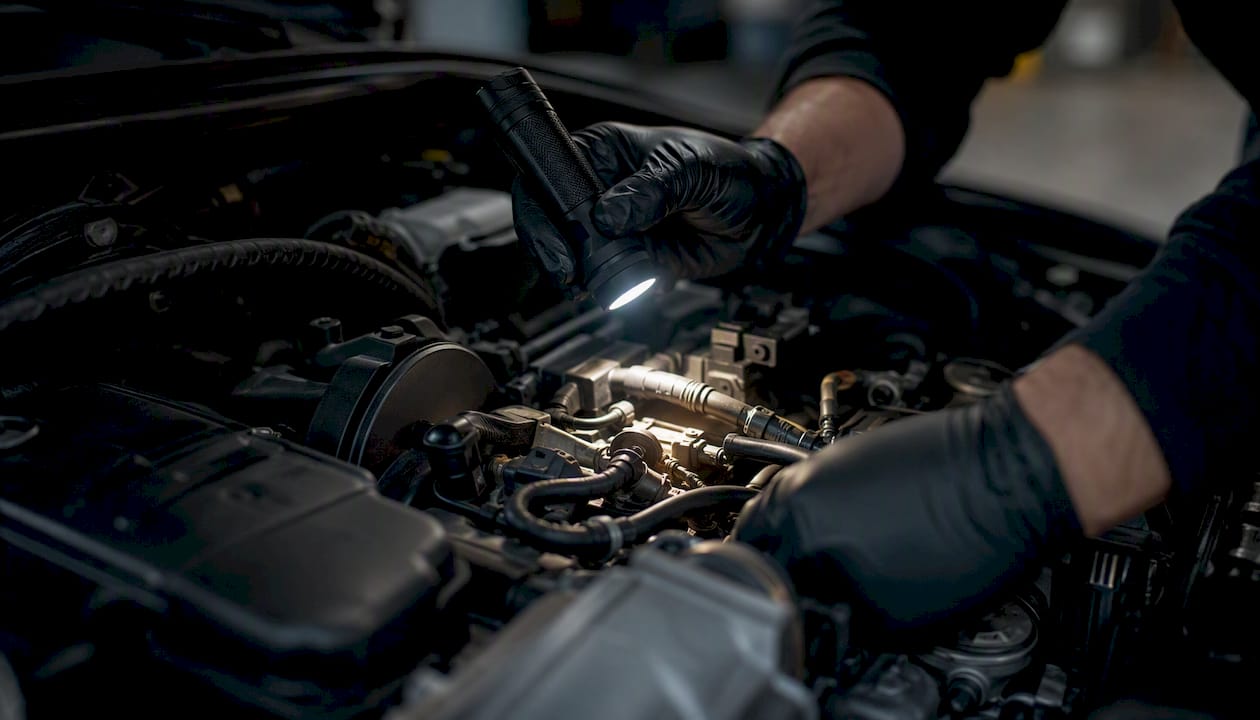
Inspection items
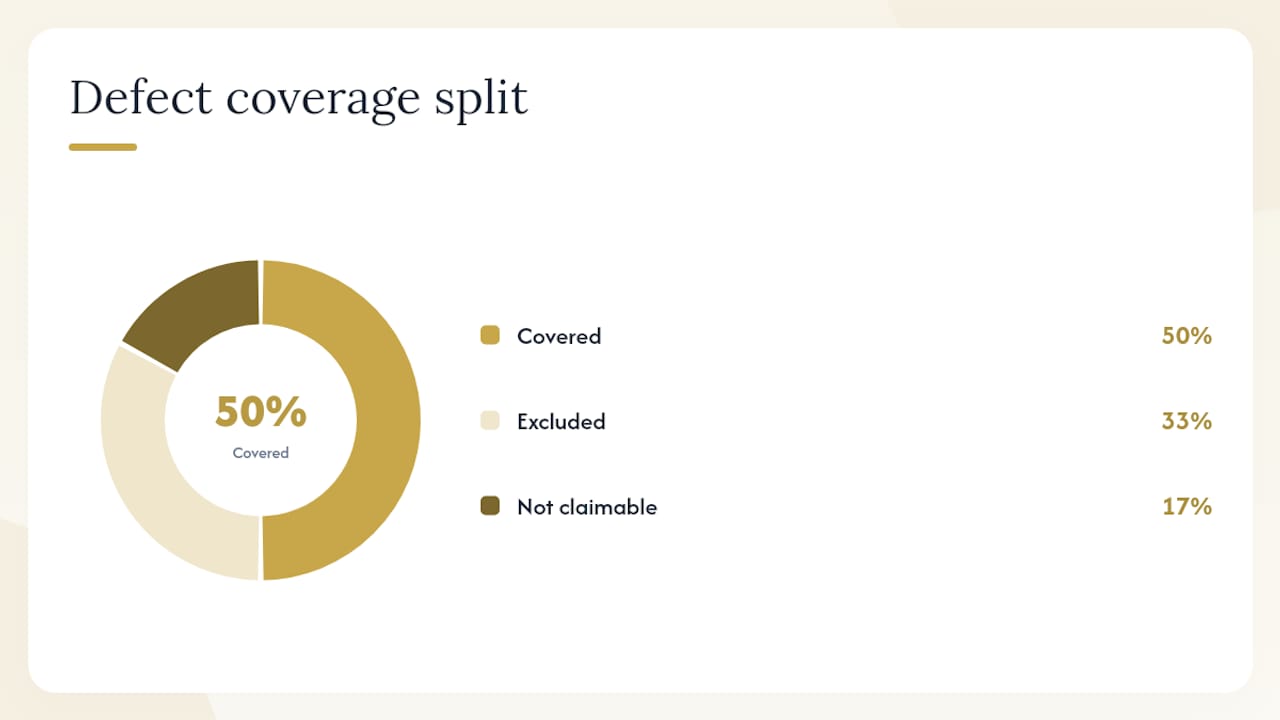
| Defect type | Likely Lemon Law treatment |
|---|---|
| Engine or gearbox failure (not disclosed) | Covered if seller is a supplier — period |
| Transmission issues (not disclosed) | Covered under same conditions |
| Accident damage (not disclosed) | Covered if material and not in SAFE checklist |
| Worn brake pads or tires | Excluded as wear-and-tear |
| Cosmetic scratches or minor dents | Excluded unless misrepresented |
| Disclosed defects (in SAFE checklist) | Not claimable — already disclosed |
The CASE SAFE checklist covers engine condition, gearbox, brakes, suspension, electrical systems, and bodywork. For hybrid or electric vehicles, battery health is a separate item worth requesting in writing. The EV resale guide covers battery degradation considerations specific to Singapore's market.
Contract clauses to insist on
- Seller identity clause: the legal name of the person selling the car
- Written disclosure of all known defects
- GST breakdown (or explicit statement that GST does not apply)
- Repair obligations for defects discovered within an agreed period
- Signed handover checklist at delivery
Documentation protocol
- Keep the original invoice and all receipts
- Retain the independent workshop evaluation report
- Log all communications (dates, content, responses)
- Photograph the car at handover, including the odometer
Pro Tip: Have an independent workshop inspect the car before you sign anything, and ask them to put their findings in writing. A written workshop report dated before purchase is one of the strongest pieces of evidence in any subsequent dispute, whether or not Lemon Law applies. The SAFE checklist format is widely recognized by CASE and the courts.
Per MTI's guidance on the CPFTA, "satisfactory quality" for a used car accounts for its age and price. A realistic expectation, documented in writing before purchase, protects both parties.
Key Takeaways
Singapore's Lemon Law protects buyers only when the seller is a business supplier under the CPFTA, so verifying the seller's legal status before any consignment purchase is the single most important step a buyer can take.
| Point | Details |
|---|---|
| Lemon Law requires a supplier | The CPFTA covers B2C sales only; private sellers in consignment arrangements are generally excluded. |
| Six-month presumption | Defects found within six months of delivery are presumed present at handover, shifting the burden to the seller. |
| Verify seller identity first | Check LTA ownership records and request the consignment agreement before committing to any purchase. |
| Document everything | Independent workshop reports, signed handover checklists, and written disclosures are your strongest evidence in any dispute. |
| Bavarian's approach | Bavarian provides written disclosures, professional documentation, and transparent consignment agreements that protect both buyers and sellers. |
The part most buyers get wrong about consignment
Most buyers focus on the car. The smarter move is to focus on the seller.
Singapore's Lemon Law is a genuinely useful protection, but it only fires when the seller is a business. The consignment model exists, in part, precisely because it can blur that line. A dealer who lists twenty cars "on behalf of owners" is running a business. The fact that none of those cars appear on the dealer's balance sheet does not change the commercial reality.
What I find underestimated is how much a single document, the consignment agreement, can reveal. If a dealer refuses to show it, or if it grants the dealer full authority to negotiate, collect payment, and sign documents, the dealer is functionally the seller. That is the argument a buyer's lawyer would make, and it is a reasonable one.
The other thing worth saying plainly: the SAFE checklist cuts both ways. Buyers sometimes treat it as a formality. It is not. Every defect recorded in that checklist is a defect you cannot later claim under Lemon Law. Read it carefully before you sign. If something is listed that the seller did not mention verbally, that is the moment to renegotiate or walk away, not after handover.
Reputable consignment specialists document sales properly because it protects everyone. Sellers avoid post-sale disputes. Buyers know exactly what they are getting. The paperwork is not bureaucracy; it is the only thing standing between a clean transaction and a costly argument six months later.
Authoritative sources and where to read more
The following official and primary sources are the most reliable references for Singapore's Lemon Law and consumer rights in used-car purchases:
- CONSUMERS ASSOCIATION OF SINGAPORE STANDARD AND FUNCTIONAL EVALUATION CHECKLIST (“SAFE CHECKLIST”)
- CPFTA & Lemon Law — Case
- Consumer Protection (Fair Trading) Act (CPFTA) — SSO
- Ministry of Trade and Industry — general advisory on amendments to CPFTA
- Used-car dealers turning to consignment deals, Singapore's lemon law does not cover these cars | The Straits Times
- Explaining the Used Car Lemon Law in Singapore | OneShift by Carousell
- 2014_SGHC_71 — eLitigation (judgment)
- File a small claim — Singapore Judiciary
For buyers and sellers who want professional consignment services with transparent documentation, Bavarian's premium consignment service is the in-market resource.
Bavarian handles the paperwork so you don't have to
Buying or selling a premium car in Singapore without proper documentation is the fastest way to end up in a dispute. Bavarian's consignment service is built around exactly the kind of transparency this article describes: written seller disclosures, signed handover checklists, professional SAFE-aligned inspection records, and full LTA transfer handling from start to finish.
Every car listed through Bavarian at Gillman Barracks comes with clear identification of the legal seller, a documented condition record, and a team that manages inquiries, viewings, and negotiations on your behalf. No ambiguity about who is selling. No verbal-only assurances. For sellers of BMW, Mercedes-Benz, Porsche, and other premium marques, that transparency is also a selling point: buyers pay more when the paperwork is clean.
If you are a car owner ready to sell, or a buyer who wants to know exactly what you are getting, get a free valuation from Bavarian and see how a properly documented consignment should work.