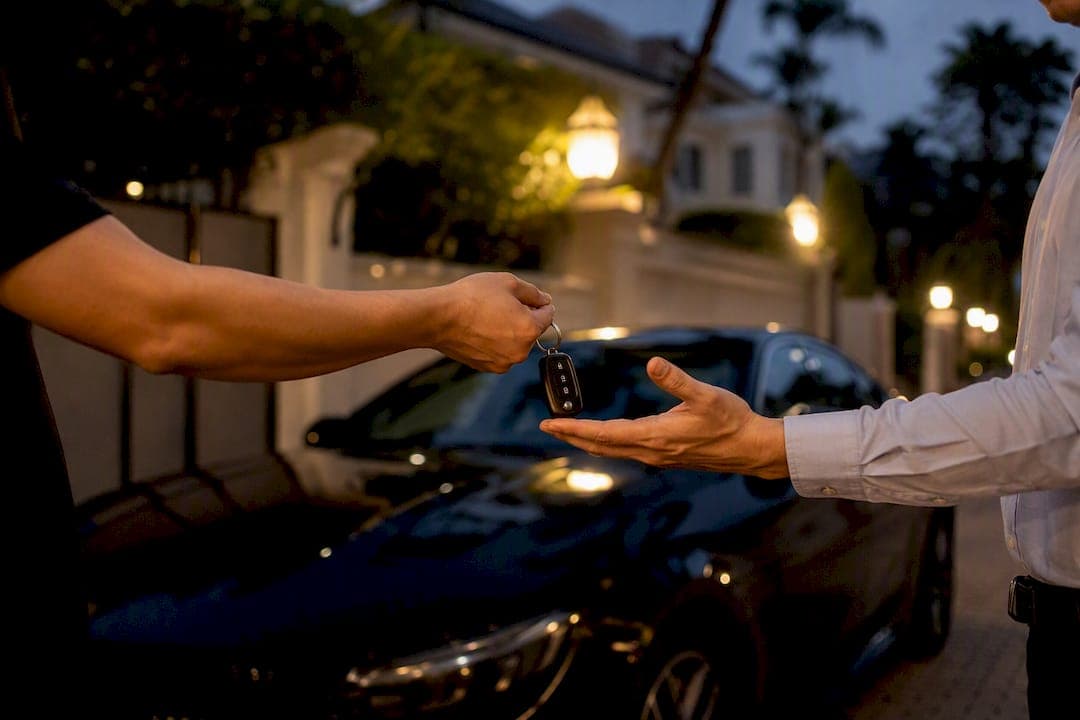
On handover day, five things stand between you and a clean sale: confirmed identity, active insurance in the buyer's name, an inspection or SAFE checklist result, every key and accessory accounted for, and a completed transfer on OneMotoring. Miss any one of these and you risk a rejected transfer, a legal dispute, or a car that's technically still yours weeks after you handed over the keys.
Before anyone shakes hands, run through this on the spot:
- Confirm NRIC/FIN matches the name on the sale agreement and insurance certificate.
- Verify the buyer's motor insurance is active and covers the full remaining road-tax period before accepting any payment.
- Check the VIN, engine, and chassis numbers against the vehicle's LTA record and the logbook.
- Note the odometer reading, count spare keys, and photograph accessories and the SAFE checklist or inspection report.
- Take time-stamped photos of every panel, the tires, and the instrument cluster before the buyer drives off.
Pro Tip: Never hand over the second key until the transfer shows "accepted" on OneMotoring or the funds have cleared in your account. A verbal promise to "transfer tomorrow" is how most disputes start.
The buyer pays the standard $25 transfer fee, and both parties should screenshot the confirmation page for their own records.
Key Takeaways
A clean car handover in Singapore depends on completing the LTA transfer within 7 days, confirming buyer insurance before payment, and documenting condition with time-stamped evidence.
| Point | Details |
|---|---|
| Transfer within 7 days | Initiate the OneMotoring transfer via Singpass promptly; the buyer has 5 calendar days to accept before it auto-cancels. |
| Insurance comes first | Never accept payment or hand over keys until the buyer's motor insurance is active and covers the full road-tax period. |
| Get a Part B report | Request a professional inspection report (VICOM or another authorized center), not just the dealer's Part A declaration. |
| Document everything | Timestamp photos of the VIN, odometer, and all four corners before keys change hands, and keep every receipt. |
| Consider a managed handover | Bavarian handles valuation, inspection coordination, LTA paperwork, and secure payment for owners who want the risk taken off their plate. |
Table of Contents
- LTA Transfer Rules: What Happens Within 7 Days of Sale
- What Documents Does Each Party Need to Bring?
- What Do the SAFE Checklist and a Professional Inspection Cover?
- How Do You Physically Inspect the Car at Handover?
- Managing the Test Drive, Payment, and Signed Handover
- How Does the OneMotoring Transfer Actually Work Step by Step?
- What Comes After the Keys Change Hands?
- How Professional Sellers Reduce Handover Risk
- How Bavarian Handles Paperwork and Handovers for You
- Sources
LTA Transfer Rules: What Happens Within 7 Days of Sale
Singapore law gives you exactly one week to get this right. Under the Road Traffic Act, ownership must be transferred via LTA within 7 days of the sale or change in possession, and driving around on an outdated registration past that window is an offense, not a paperwork technicality.
Most transfers now happen entirely online. The seller initiates the transfer through Singpass on OneMotoring, the buyer accepts within a set window, and the system handles the rest, provided the car isn't tied up in financing. The $25 transfer fee can be paid through NETS, SGQR PayNow, or eNETS and card channels via approved banks. In rarer cases, a COE levy applies on top of the standard fee, usually tied to specific vehicle categories, so don't assume every transaction is a flat $25.
Not everyone can use the Singpass route. You'll need the paper-based M01 form and an LTA counter appointment when:
- The buyer is a foreigner without a Singpass account.
- The transaction involves a company-to-company or company-to-individual sale.
- Diplomatic personnel or foreign missions are involved.
Once the transfer goes through, both parties get an LTA notification, and you can verify the new ownership record directly on OneMotoring under the vehicle's particulars. Print that confirmation. It's your proof the car is no longer legally yours (or now legally is), and it matters if a parking fine or ERP charge shows up in the wrong mailbox later.
What Documents Does Each Party Need to Bring?
A rejected transfer almost always traces back to a missing document, not a legal problem. Bring these and you'll clear the process in one visit instead of two.
- Identification: NRIC for Singapore citizens and permanent residents; FIN or employment pass for foreigners; corporate registration documents (UEN, board resolution, authorized signatory letter) for company-owned vehicles.
- Motor insurance certificate: the buyer's policy must already be active and cover the full remaining road-tax period, not just "start next week."
- Original inspection certificate, when the vehicle's age or category requires one.
- Vehicle Parking Certificate (VPC), where applicable, particularly for vehicles registered under certain COE categories.
- Proof of loan settlement or bank consent, if the car was financed. LTA won't process the transfer until the financier deregisters its interest.
- Screenshots of the pending transfer on OneMotoring, receipts for the deposit and balance, and any pre-arranged payment confirmation.
Our car sale paperwork checklist walks through each of these in more depth if you want a printable version to bring on the day. The rule of thumb: if a document proves who owns the car, who's insuring it, or who's still owed money on it, bring the original, not a photo of it on your phone.
What Do the SAFE Checklist and a Professional Inspection Cover?
The SAFE Checklist from CASE splits into two parts, and confusing them is a common mistake. Part A is a declaration the dealer or seller fills out themselves, essentially their word on the car's condition. Part B is a structured report from a professional evaluation, and it's the part that actually protects you if something goes wrong later.
Authorized inspection centers such as VICOM run through condition checks (paint, rust, structural integrity), function checks (electrical systems, air conditioning, infotainment), and a road test that flags unusual noises, vibration, or braking issues, as detailed in professional pre-purchase vehicle inspections Gladstone & Calliope. These centers issue a written report that becomes your evidence trail if a defect surfaces after purchase.

Here's where it gets legally interesting. Under Part A and Part B's interaction with Lemon Law, a defect that falls within the scope of a professional check you already obtained shifts the burden of proof differently than a defect the inspection never covered. If your Part B report says the transmission was tested and fine, and it fails a week later, you're in a much stronger position than a buyer who skipped the inspection entirely. Reporting from The Straits Times on CASE's motoring roadshow found that a large share of buyer complaints trace back to skipping the professional evaluation altogether, relying only on a dealer's own word.
Red flags worth pausing over: fresh paint on a panel that doesn't match the rest of the car, inconsistent odometer wear versus the interior condition, or a seller who's reluctant to let you book an independent inspection. Any of these is a reasonable trigger to renegotiate the price or walk away.
How Do You Physically Inspect the Car at Handover?
This is the part most guides rush through, and it's the part that actually prevents disputes. Walk the car methodically, in daylight if possible, and don't let anyone hurry you.
- Exterior: Check every panel for paint mismatch, ripples, or overspray under bright light, then inspect tires for uneven wear and the windshield for chips or stress cracks.
- Under the bonnet: Look for visible fluid leaks, a corroded battery terminal, or exposed wiring. If anything looks off here, defer to a professional inspection rather than guessing.
- Interior: Record the odometer reading, confirm the service book is present, count spare keys and the tool kit, and test the infotainment system and air conditioning.
- Road test: Listen for knocking noises, check that gear shifts feel smooth, and pay attention to how the brakes and steering respond at low speed.
- Document everything: Photograph the VIN plate, the engine bay, the odometer, and all four corners of the car, each with a visible timestamp.
Pro Tip: Shoot a 30 second video walking around the car before you get in, narrating the odometer number out loud. It's harder to dispute a video with your own voice on it than a folder of still photos taken "sometime that day."
Keep the road test short and low-risk: a loop around a quiet estate road is enough to catch a slipping clutch or a pulling brake, and you don't need to hit the expressway to find out if something's wrong.
Managing the Test Drive, Payment, and Signed Handover
A test drive without a written indemnity is a liability waiting to happen. Get the driver's ID checked, keep the route short, and have someone else in the car if you can. If the buyer damages the vehicle during the drive, you want that responsibility on paper, not on trust.
Payment is where most disputes actually originate, not the mechanical condition of the car. A verified bank transfer, a PayNow screenshot with confirmed clearance, or an escrow-style arrangement protects both sides. Cash handovers and unverified cheques carry real risk, and "the cheque is in the post" has ended more than one Singapore car sale in a shouting match.
Before the keys change hands for good, make sure the sales agreement spells out the deposit terms, an "as-is-where-is" clause if that's the arrangement, and the agreed date, time, and place for final settlement. Issue a clear receipt the moment the balance clears.
Finally, both parties sign a handover form recording the time, the odometer reading, and every accessory included in the sale. That signature is what confirms the buyer assumes responsibility for the car from that exact moment, not a vague "sometime this week."
How Does the OneMotoring Transfer Actually Work Step by Step?
Once the physical handover is done, the paperwork moves fast if you follow the sequence correctly.
- The seller logs into OneMotoring with Singpass and initiates the transfer request.
- The buyer has a 5 calendar day window to accept the transfer online; miss it, and the request auto-cancels, forcing you to start over.
- The buyer pays the $25 transfer fee through NETS, SGQR PayNow, or an approved eNETS/card channel. Certain COE categories may trigger an additional levy at this stage.
- LTA confirms the transfer, and both parties receive a notification they should save.
Pro Tip: If the transfer keeps getting rejected, check three things first: whether the car is still flagged as under financing, whether the buyer's insurance is actually active (not just purchased), and whether the NRIC or FIN entered matches exactly what's on file. These three issues cause the overwhelming majority of failed transfers, based on common troubleshooting points documented by insurers.
When Singpass isn't an option, both parties complete the M01 form and attend an LTA counter appointment together, bringing the same documents listed earlier in this guide.
What Comes After the Keys Change Hands?
The transfer being "accepted" isn't the finish line. A few loose ends still need closing.
For buyers: confirm the insurance policy is officially recorded against the vehicle in LTA's system, update season parking if you're taking over a lot, register the car for ERP and toll accounts, and check that road tax and any VPC are correctly assigned to you.
For sellers: confirm you actually received the LTA transfer notification, not just a verbal "it went through" from the buyer, and keep that proof indefinitely. Cancel or reassign any linked services still tied to the car, like in-vehicle unit accounts or parking apps.
If a defect surfaces after handover, the sequence matters. Gather your SAFE checklist and inspection reports first, notify the other party in writing (not a phone call you can't screenshot), and escalate to CASE mediation or Lemon Law channels if the seller won't cooperate. Keep every signed form, payment receipt, and OneMotoring screenshot together in one folder. You may never need it, but if you do, you'll need all of it at once.
How Professional Sellers Reduce Handover Risk
Private sales carry more friction than they need to, mostly because both sides are improvising a process they'll only do once or twice in their lives. Consignment houses handling high-value cars daily approach it differently, and some of that process translates directly to a private sale.
Before a car ever gets shown, a full photographic and video record goes on file, alongside an independent inspection completed ahead of the listing rather than negotiated after an offer comes in. Detailing the car properly before photos are taken, covered in our pre-sale detailing guide, also reduces the "it didn't look like the photos" complaint that derails so many private deals.
On the operational side, a structured handover typically includes staged payments tied to milestones, buyer screening before a viewing is even booked, LTA paperwork handled by someone who does it weekly instead of once a decade, and a documented list of every key, accessory, and document exchanged.
Buyers who received a professional evaluation report before purchase raised far fewer post-sale complaints than those who relied solely on a dealer's own declaration, according to reporting on CASE's motoring roadshow.
That single practice, documenting condition before a dispute can even start, is the biggest lever any seller has.
A Note From Shawn on the Risks Nobody Warns You About
The handover checklist people skip isn't the paperwork, it's the timing. Insurance activated an hour after the keys leave your hand, or a photo taken after the buyer's already driven off, protects nobody. Get the timestamp before the trust. One habit worth adopting for every deal: photograph the odometer and instrument cluster the moment you both agree the sale is final, not after.
How Bavarian Handles Paperwork and Handovers for You
If everything above sounds like a lot to manage while also trying to get top dollar for a car you've owned for years, that's the exact gap Bavarian was built to close for owners of high-value and performance vehicles in Singapore. Instead of juggling LTA counter appointments, inspection bookings, and payment verification yourself, Bavarian's team handles the valuation, the professional photography and video, coordination of an independent inspection, and the full LTA transfer process on your behalf.
Every deal runs through documented steps: verified buyer screening before a viewing, secure payment processing before keys move, and a recorded accessories and documents list at handover, the same discipline described earlier in this guide, just run by people who do it for a living. This matters most for owners of six-figure cars where a single dispute or delayed transfer carries real financial weight, not just inconvenience.
If you're preparing to sell a BMW, Porsche, Mercedes-Benz, or another premium vehicle and want the paperwork and handover risk taken off your plate entirely, request a free valuation from Bavarian and ask about their consignment handover process.