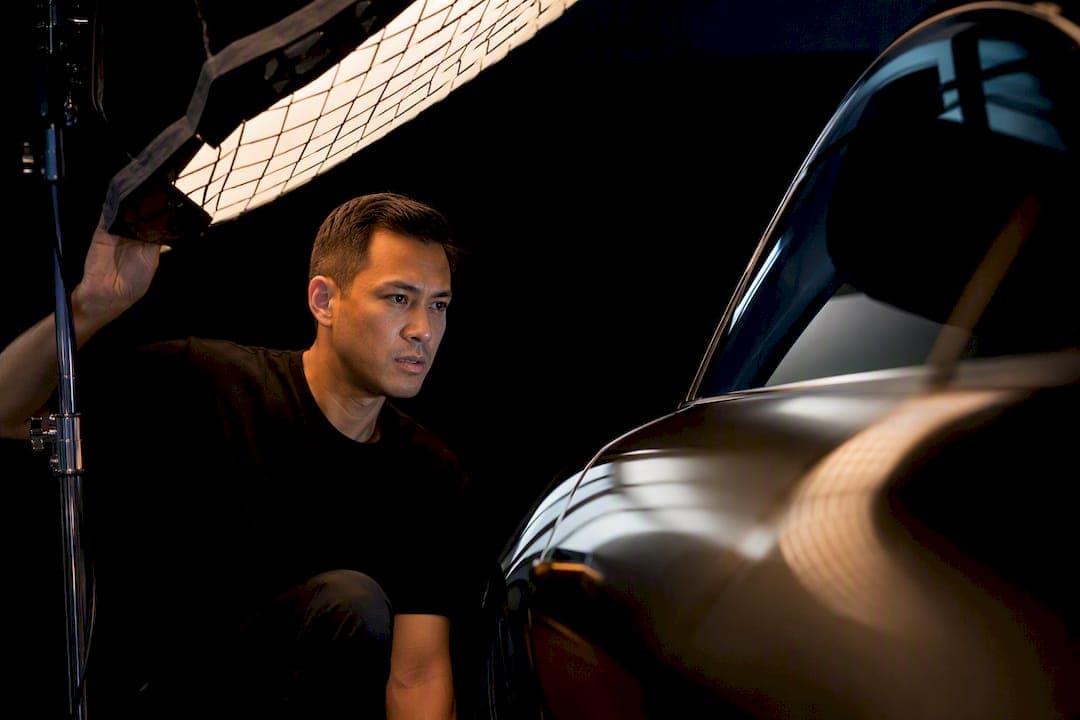
Professional car photos are worth the cost when you're selling a high-value, collector, or performance vehicle where presentation shapes both buyer trust and final price. For a midrange car, it's optional and depends on how fast you need to sell and which platform you're using. For a low-value car, a smartphone and a solid checklist usually get the job done. What follows is the evidence, the real costs, a full shot list, and the DIY and hybrid routes that work when a professional shoot doesn't make financial sense.
TL;DR:
- Professional car photos can double or triple click-through rates and speed up sales by 30 to 50 percent, especially for high-value or collector cars.
- A professional photographer provides controlled lighting, reflection management, and quality angles that DIY photos often cannot achieve, reducing buyer questions and mistrust.
- Custom used-car images can increase click-through by up to 349 percent, and professional photos typically lead to faster sale cycles and better offers.
- The cost of professional shoots ranges from a few hundred dollars for private cars to over $1,500 for extensive coverage, with higher returns on high-value vehicles.
- For most private sellers, a hybrid approach with a smartphone and one professional hero shot offers a cost-effective balance, especially for lower-priced cars.
Table of Contents
- Is Investing in Professional Car Photography Worth It? What the Numbers Show
- What a Professional Car Photographer Actually Delivers
- When Hiring a Professional Photographer Actually Pays Off
- Getting Your Car and Photographer Ready for the Shoot
- Smartphone and App Workflows That Still Work
- The Shot List Every Car Listing Actually Needs
- What a Photo Shoot Actually Costs, and How to Work Out the Return
- Making Your Photos Work Across Marketplaces and Social Media
- How a Consignment Service Puts This Into Practice
- Where This Article's Claims Come From
- Sell the Car You Have, Not the Car You Wish You Had
- Sources
Is Investing in Professional Car Photography Worth It? What the Numbers Show
The clearest evidence comes from click behavior. Listings with professional-quality primary photos get 2 to 3 times more clicks than listings with average or poor images, and used-car detail pages in the top quartile for photo quality see roughly 40% more views. That gap compounds: more views mean more inquiries, more inquiries mean more negotiating leverage, and leverage is what actually moves the sale price.
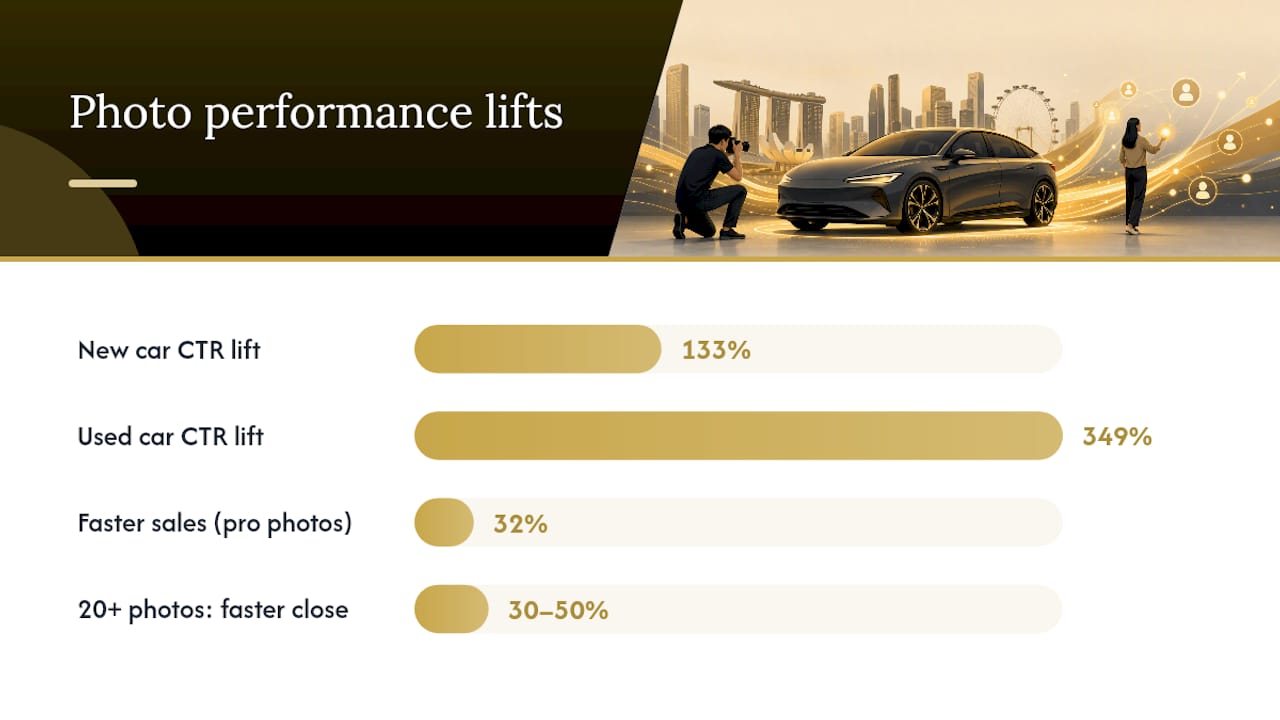
The click lift is even larger when you isolate custom photography against stock or placeholder images. Snappr's research found custom images lift click-through by 133% on new-car listings and by 349% on used-car listings compared to stock photos, and cars with professional photography sold about 32% faster in AutoTrader's data. Twenty or more professional photos also correlate with sales that close 30 to 50% faster in some dealer datasets, according to the same CarPixAI analysis.
Why does a photo change what someone will pay? Buyers anchor on the first image they see. A crisp, well-lit hero shot signals the car has been cared for, which lowers the buyer's perceived risk before they've asked a single question, a dynamic Kamocars describes as central to how selling confidence translates into better offers.
Run the math conservatively. If a car would otherwise sit for 30 days and better photos shave even a third off that, you've freed up a month of insurance, parking, and depreciation exposure. Against a photography bill in the low hundreds, that's a lopsided trade.
- Professional primary photos: 2 to 3x more clicks
- Custom used-car images: up to 349% more click-through than stock photos
- 20+ photo galleries: 30 to 50% faster sales in dealer data
- Cars with pro photos: roughly 32% faster sale cycles overall
What a Professional Car Photographer Actually Delivers
The gap between amateur and professional car photography isn't really about the camera. It's about control. A phone can take a sharp photo. What it can't do on its own is manage reflections, balance light across chrome and glass, or force you to shoot the ten angles buyers actually scroll through before deciding whether to send an inquiry.
Professionals work from a fixed angle set for a reason: front three-quarter, rear three-quarter, straight side profile, interior wide shot, dashboard and odometer, engine bay, wheels and tires, trunk, and close-ups of any flaws. Each angle answers a specific buyer question. The odometer shot proves the mileage claim. The wheel shot reveals curb rash before a buyer has to ask. Skipping any of these doesn't just weaken the gallery, it invites the kind of questions that stall a deal.
On the technical side, a photographer brings controlled lighting (often diffused, off-camera flash or golden-hour timing), reflection management so the car's own glass and paint don't show a cluttered garage, a clean and consistent background, and high-resolution files edited with restraint. Honest retouching means removing dust or glare, not erasing a dent that will surface at the viewing anyway.
Deliverables typically include 20 to 40 fully retouched images, one designated hero shot for the listing thumbnail, mobile-cropped versions for marketplace apps, a turnaround of a few days, and clear usage rights so you know you can post the images anywhere, including social channels.
Pro Tip: Ask upfront whether retouching includes plate blurring or removal. Many marketplaces require it, and it's far easier to build into the shoot than to fix afterward.
When Hiring a Professional Photographer Actually Pays Off
Vehicle value is the single biggest variable in this decision. The math that justifies a $300 to $500 shoot for a six-figure Porsche doesn't hold for a ten-year-old economy sedan, and pretending otherwise wastes money on both ends.
- High-ticket performance and luxury cars. When a car is priced well into five or six figures, buyer trust does heavier lifting, and a gallery that looks curated rather than snapped in a driveway earns that trust faster.
- Auction and collector listings. Auction buyers expect exhaustive documentation. A thin gallery on a collector car reads as something being hidden, even when nothing is.
- Consignment sales. If you're paying a consignment service to manage the sale, professional photography is usually already part of the package and shouldn't be treated as a separate cost decision.
- Urgent sales at a price premium. If you need to sell fast without discounting heavily, faster clicks and faster decisions from better photos directly offset the cost of the shoot.
DIY and app-based workflows are genuinely adequate for lower-priced cars, local classifieds, and sellers working with a tight budget. Comparative guides consistently recommend checklist-based smartphone photography for most private sellers and reserve professional shoots for auctions or high-value cars specifically.
Before you decide, run through four questions: What's the car worth? Which platform will carry the listing? How fast do you need to sell? What's your actual budget? If three of the four point toward "high value, auction-adjacent, urgent, flexible budget," hire the photographer.
Getting Your Car and Photographer Ready for the Shoot
Preparation matters as much as the photographer's skill. A detailer can't compensate for road grime in the door jambs or a dashboard covered in dust, and neither can a photo editor without making the car look artificially perfect, which savvy buyers notice.
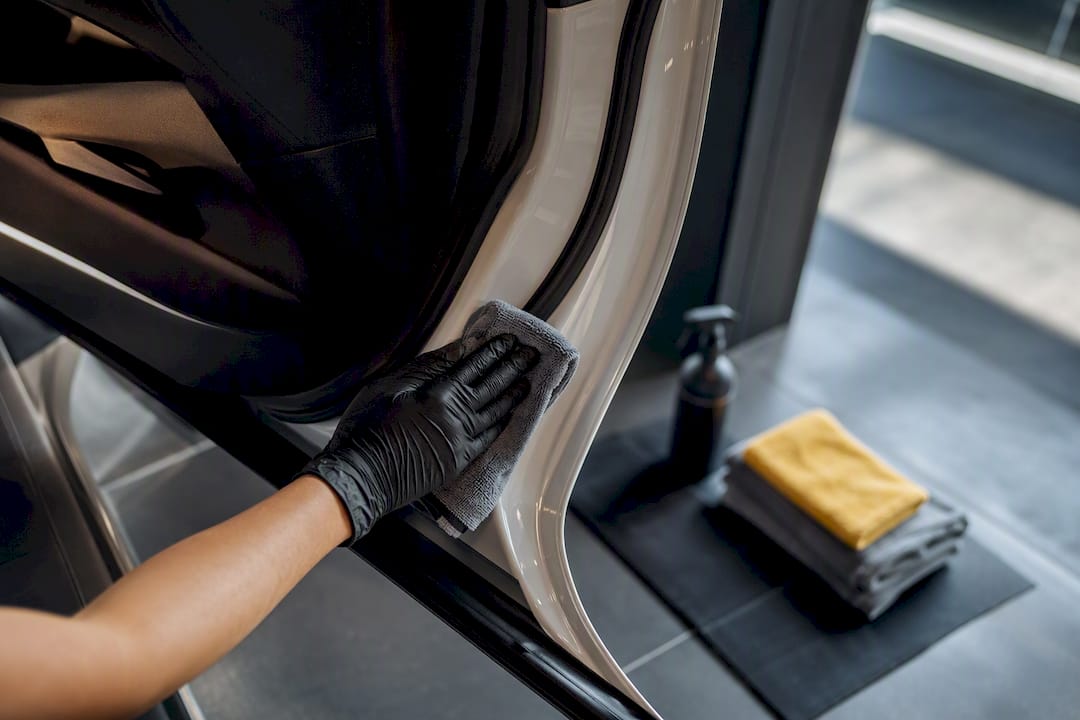
Before the shoot: get a full detail done, including wheels, glass, and often-missed spots like door jambs and window seals, clear out personal items and parking permits, and check your platform's image rules before you shoot, not after. SgCarMart, for instance, requires original photos only, sets minimum dimensions, and restricts overlays or added text, and it enforces specific plate-handling rules sellers often miss on their first listing.
Location and timing decide half the outcome before the camera even comes out. Overcast daylight or the hour just after sunrise gives even light without harsh reflections; a plain, uncluttered background beats a scenic one every time, since buyers are evaluating the car, not the backdrop.
Questions worth asking any photographer before booking:
- How many final retouched images are included, and how many hero shots?
- What's the turnaround time from shoot to delivery?
- Do you handle plate blurring or removal, and is it included?
- Are there extra fees for location travel, additional angles, or rush delivery?
- What usage rights do I get, and can I repost the images anywhere?
Pro Tip: Get the deliverable count and usage rights in writing before the shoot, not after. It's the single most common source of disputes with freelance car photographers.
Smartphone and App Workflows That Still Work
A phone shoot done properly closes most of the gap with a professional one. Shoot low ISO in even, diffused light, keep the camera at bumper height for exterior angles instead of shooting down, and steady the shot rather than relying on a burst mode to catch a sharp frame.
App-based editing has genuinely improved. AI tools can normalize backgrounds, straighten horizons, and correct color balance, and Snappr's own research points to hybrid capture, where a human takes the controlled hero shots and AI handles background cleanup and mobile cropping, as the direction most of the industry is heading. The limitation is real: AI editing can't fix bad framing or a reflection-filled window at the source.
A practical hybrid: pay for one professional hero shot and shoot the remaining proof angles yourself, or shoot everything on a phone and pay a photographer or app service only for retouching. For premium listings, flip it: professional hero and full exterior set, DIY interior and flaw close-ups.
- Shoot in even light, low ISO, camera at bumper height
- Use AI editing for background and color correction, not framing fixes
- Mix one professional hero shot with DIY proof shots to cut costs
- Reserve full professional sets for six-figure or auction-bound cars
The Shot List Every Car Listing Actually Needs
Buyers scroll through a gallery looking for reasons to trust the listing or reasons to walk away. Missing angles read as something being hidden, whether that's true or not.
| Shot | Why it matters |
|---|---|
| Front three-quarter | Primary hero image, sets first impression |
| Rear three-quarter | Confirms condition and shape from the other end |
| Side profile | Shows stance, ride height, panel alignment |
| Interior wide shot | Confirms seat and dashboard condition |
| Odometer close-up | Verifies mileage claim |
| Engine bay | Signals maintenance and cleanliness |
| Wheels and tires | Reveals curb rash and tread wear upfront |
| Trunk or cargo area | Confirms usable space and condition |
| Flaw close-ups | Builds trust by disclosing issues honestly |
For gallery size, 8 photos is the bare minimum most marketplaces accept, and SgCarMart's own posting flow allows up to 8 images in the standard entry. Fifteen to 25 photos is the sweet spot for most consumer listings, covering nearly every question a buyer will ask. Auction and collector listings routinely run past 50 images, since exhaustive documentation is what auction buyers expect before they'll bid with confidence.
Keep files high-resolution but check that your platform crops correctly for mobile, and never add text overlays or watermarks where the marketplace's rules forbid them.
What a Photo Shoot Actually Costs, and How to Work Out the Return
Private-owner single-car shoots typically run from the low hundreds up to several hundred dollars, depending on location, number of images, and turnaround speed. Premium shoots aimed at auction or collector listings, with exhaustive angle coverage and same-day turnaround, can run $800 to $1,500 or more. Dealers and consignment services that shoot in volume bring the per-car cost down sharply through subscription or bulk pricing.
The ROI worksheet is simple: estimate the price uplift or days-to-sale improvement you'd realistically get, then multiply.
- Estimate a conservative price uplift, say 1 to 3% on a well-documented car.
- Multiply that percentage by the car's asking price to get a dollar figure.
- Estimate days saved from faster sale velocity and multiply by your daily holding cost (insurance, parking, opportunity cost).
- Compare the total to the shoot's price tag.
Against a $400 shoot, that's a clear win. On a $12,000 car, the same 2% is only $240, which barely covers the shoot and makes DIY or app-based photography the more sensible call.
Making Your Photos Work Across Marketplaces and Social Media
Your hero image needs to work as a thumbnail first. Most buyers scroll a grid of tiny images before clicking into any single listing, so a cluttered or dark thumbnail gets skipped no matter how good the full gallery is.
Once you've got a strong set, repurpose it. Crop the hero shot for Instagram, cut a short walkaround into a 15-second reel for TikTok, and use interior and detail shots as supporting posts. This is the same distribution logic consignment marketing teams use to turn one shoot into multiple pieces of content across channels.
Clearer galleries also filter out low-intent buyers before they message you, since anyone who can see the flaws and mileage upfront won't waste your time negotiating around information already in the photos.
- Design the hero shot to read clearly as a small thumbnail
- Crop and repurpose the same shoot for Instagram and TikTok
- Use short video alongside stills to boost engagement
- Expect fewer time-wasting inquiries when the gallery is thorough
How a Consignment Service Puts This Into Practice
A consignment service for high-end and performance cars typically handles everything from valuation through to transfer of ownership, with professional photography included as part of the overall workflow rather than a separate add-on. The sequence generally runs valuation, pre-shoot detailing and prep, the shoot itself, then distribution across platforms such as SgCarMart, Instagram, and TikTok.
Different images get used at different stages. Valuation relies on quick reference shots to assess condition. Marketing relies on the full retouched gallery and short-form video. Viewings rely on the same photos to set buyer expectations before anyone drives to Gillman Barracks, which cuts down on mismatched-expectation viewings that waste everyone's time.
- Valuation stage: quick condition-reference photos
- Marketing stage: full retouched gallery plus short-form video
- Viewing stage: same gallery used to pre-qualify serious buyers
Where This Article's Claims Come From
The photo and click-through statistics here draw on CarPixAI's data guide and Snappr's auto photography research. Marketplace rules reference SgCarMart's listing guidelines and posting flow. Cost ranges come from Viralistic's rate guide, and the apps-versus-photographer comparison comes from CarPhotoChecklist.
Sell the Car You Have, Not the Car You Wish You Had
Most advice on this topic treats professional photography as a universal upgrade, the way people talk about window tinting or ceramic coating. It isn't. It's a tool that pays off in direct proportion to how much a buyer's trust affects your price, and that relationship only gets strong once the numbers involved are large enough for a percentage point to matter in real dollars.
The overrated piece of conventional wisdom is the "always hire a pro" advice you'll see on generic listing guides. For a $15,000 car, the ROI math simply doesn't support it. What's underrated is the hybrid approach: a phone, a checklist, decent light, and, if the car warrants it, one professional hero shot layered on top. That combination covers the vast majority of private sales sitting between "cheap commuter car" and "six-figure collector piece."
If I had to prioritize one thing for readers here, it's this: figure out your car's value bracket before you spend a dollar on photography. That single number tells you almost everything else, including whether the shoot pays for itself or just eats into your final price.
— Shawn
Sources
- Better Photos Sell Cars Faster: The Data-Driven Guide | CarPixAI
- Auto Photography: The Definitive 2026 Guide | Snappr
- SgCarMart listing image guidelines
- Car Photo Checklist vs Hiring a Photographer: Which to Use (2026) | CarPhotoChecklist
- Car photography cost: 2026 rate guide | Viralistic